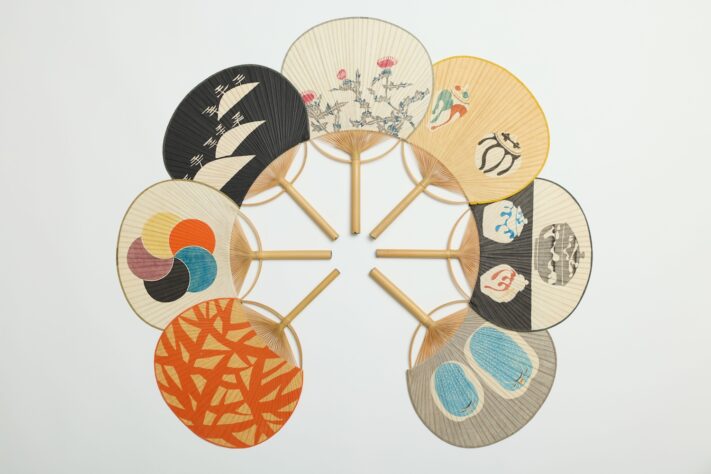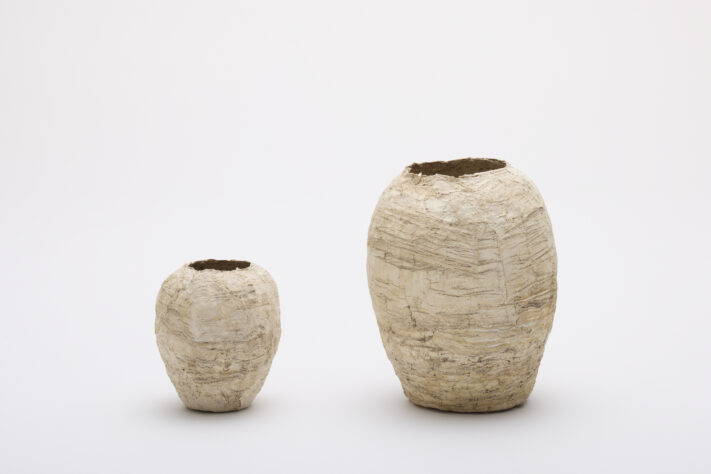


中国から伝わった製紙技術が日本で発展した伝統的な紙、和紙。コウゾやミツマタ、ガンピ、カジなどの植物繊維を原料とする和紙は、日本の風土や生活文化と結びつきながら、文字や絵を書くものとしてだけでなく、建築や装飾、器、衣服、玩具、美術品修復など、幅広い用途に活用されてきました。
その背景には、原料の特性を深く理解し、その長所を最大限に引き出すための工夫を重ねてきた先人の探究心と、自然の恵みを宿す和紙の強さと美しさを認めて、生活に活かしてきた姿勢がありました。
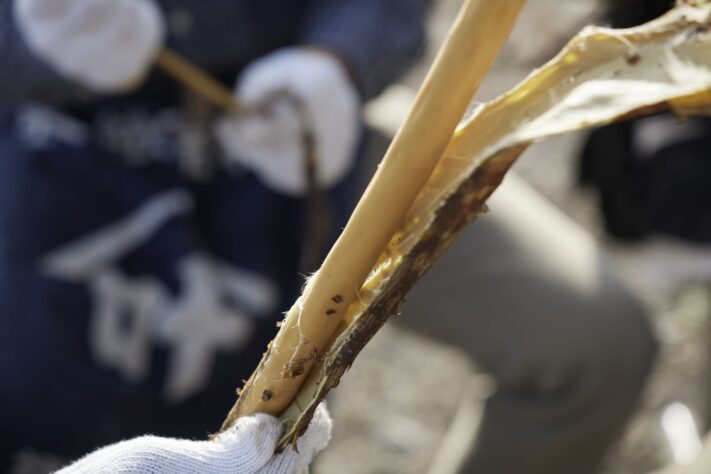
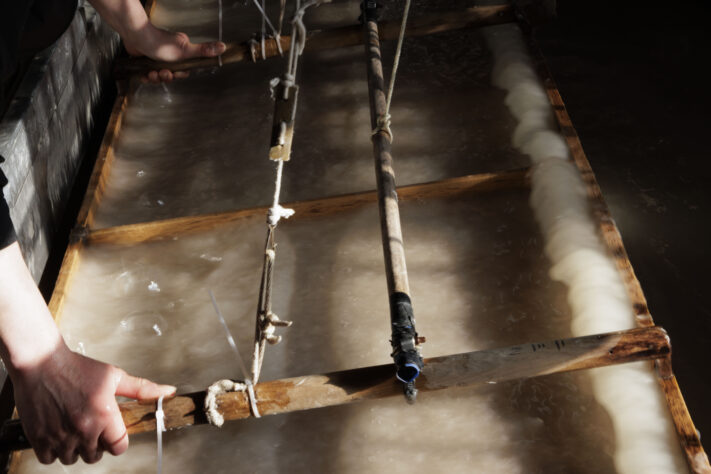
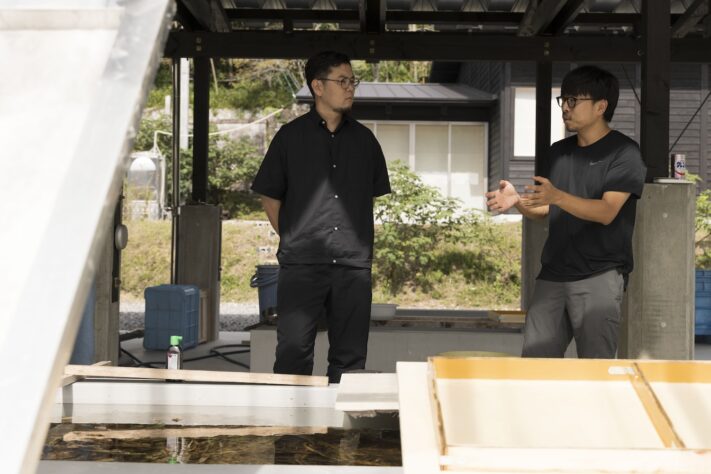
原料となる植物の皮を一本ずつ剥いで繊維を取り出し、一枚の紙を漉きあげるまでには、想像を超える時間と手間がかかります。和紙の産地を訪ねて私たちが目にしたのは、原料や気候と粘り強く向き合い、その質や状態を丁寧に見極め、伝統を継承しつつも、未来を見据えて新たな表現の可能性を模索する人たちの営みでした。
”Washi” paper is a traditional Japanese paper whose making techniques were introduced from China and developed uniquely in Japan. Washi made from plant fibers such as “Kouzo” (paper mulberry), ”Mitsumata” (oriental paper bush), ”Ganpi”, and ”Kaji” (another kind of paper mulberry) has been utilized not only for writing and drawing, but also for a wide range of purposes including architecture, decoration, vessels, clothing, toys, and art restoration, while being closely connected to Japan’s climate and everyday culture.
Behind this lies the curiosity of our predecessors who had a deep understanding of the characteristics of raw materials and made continuous improvements to maximize their strengths as well as the attitude of incorporating the strength and beauty of Washi, endowed with the blessings of nature, into their everyday lives.
It takes more time and effort than you can imagine to make a sheet of Washi, even just from peeling off the bark of plants one layer at a time and extracting fibers. What we saw in the production regions was the work of people who patiently engage with raw materials and climate, carefully observing and assessing their qualities and conditions, and exploring the possibilities of new expression while balancing respect for tradition with a vision for the future.