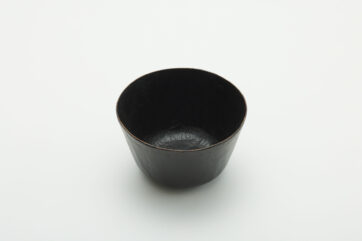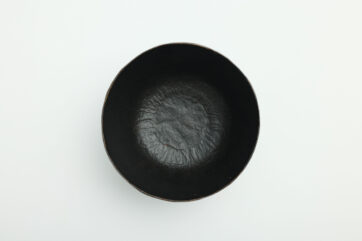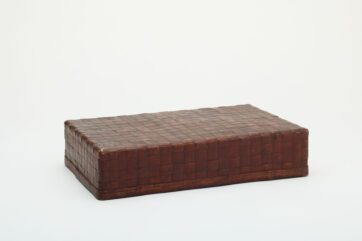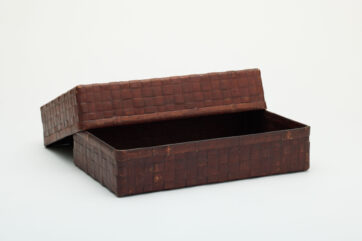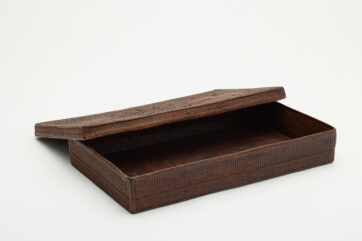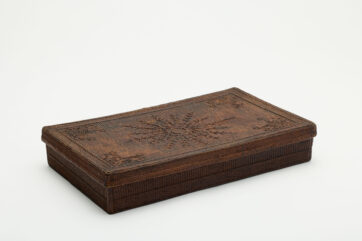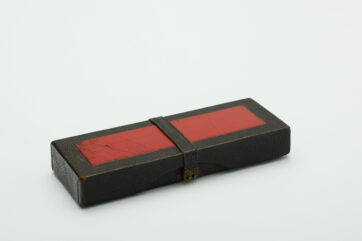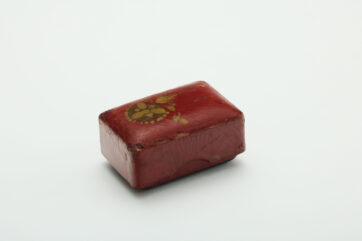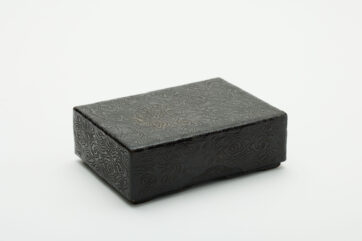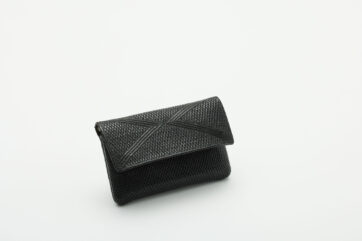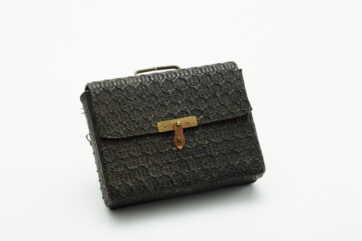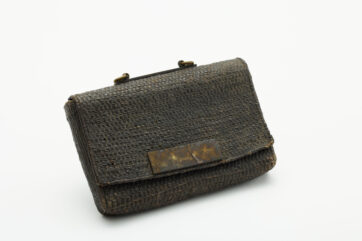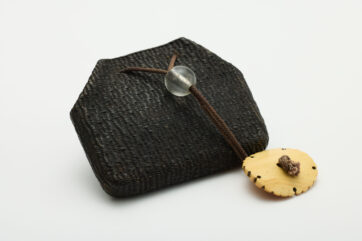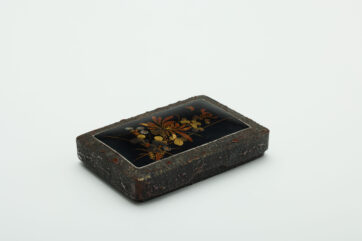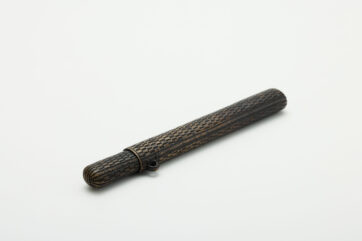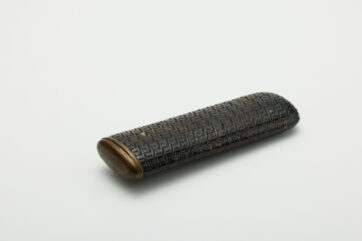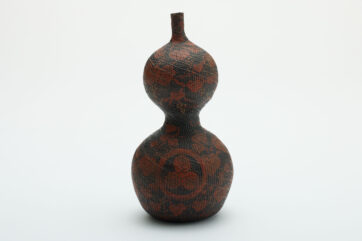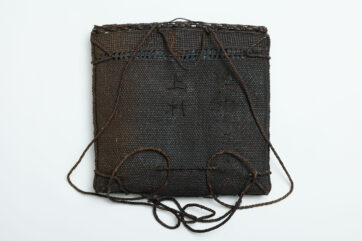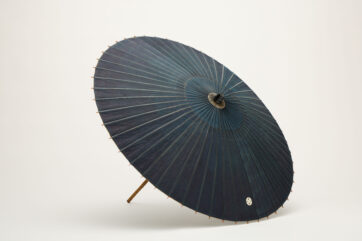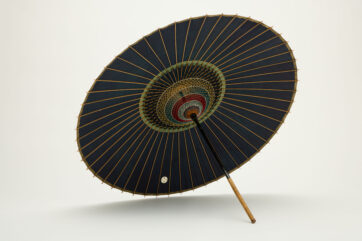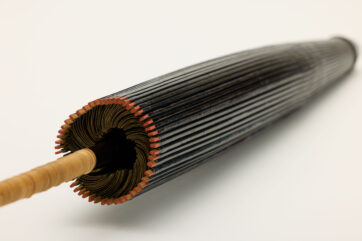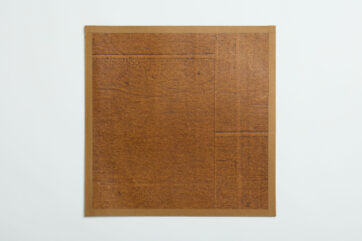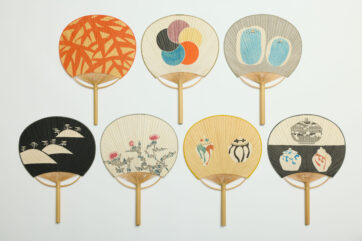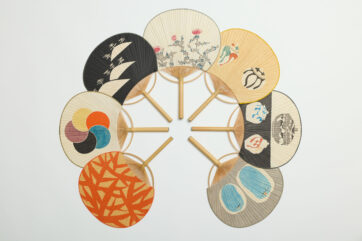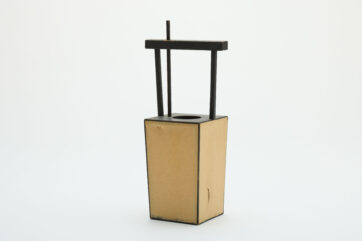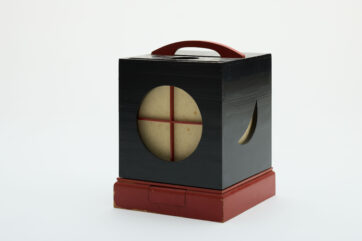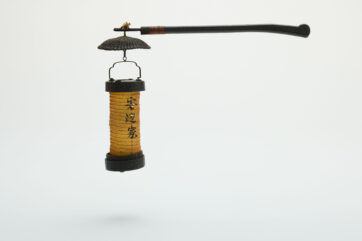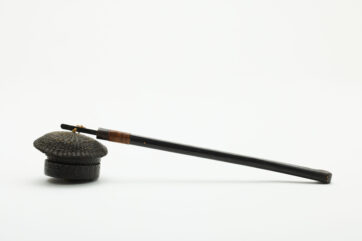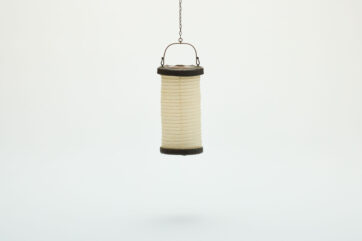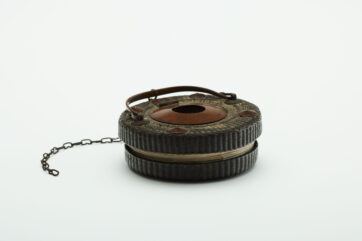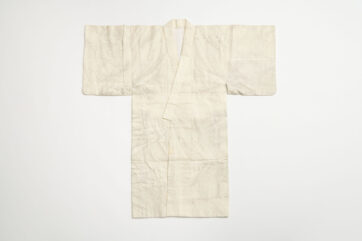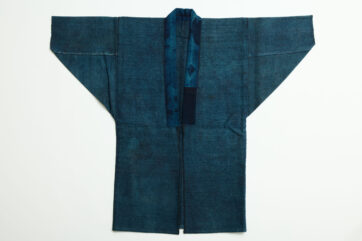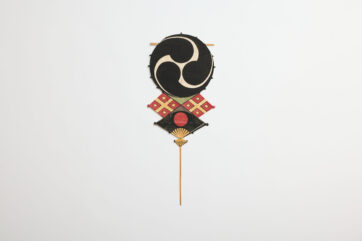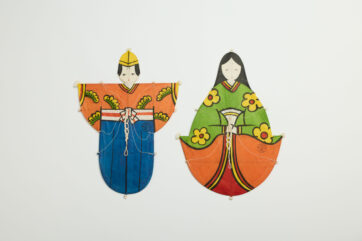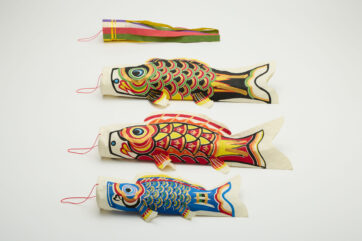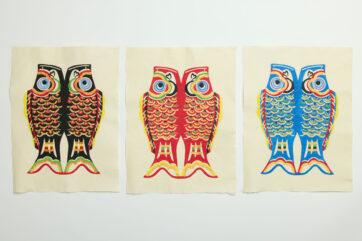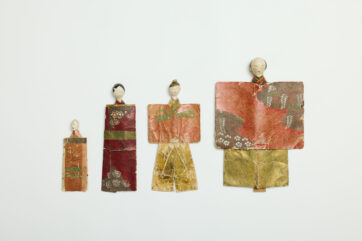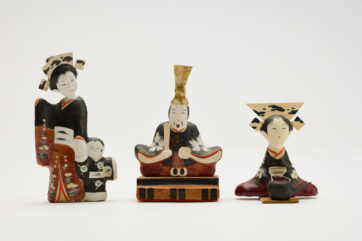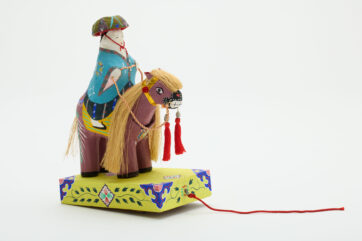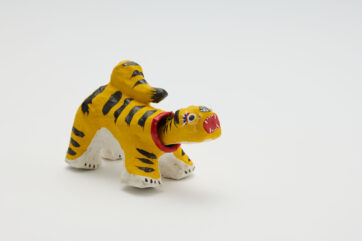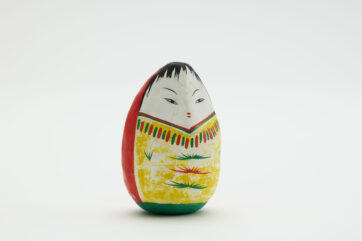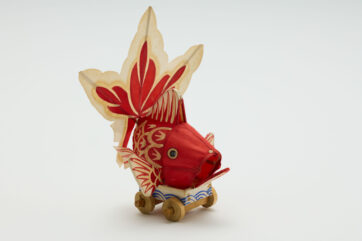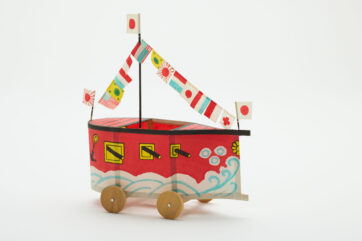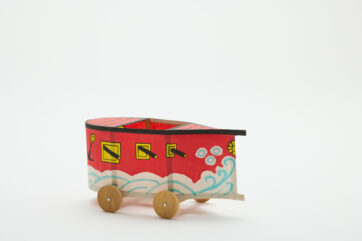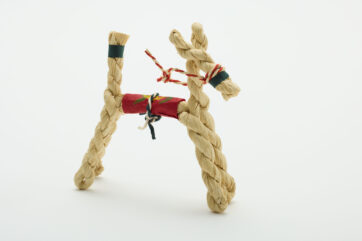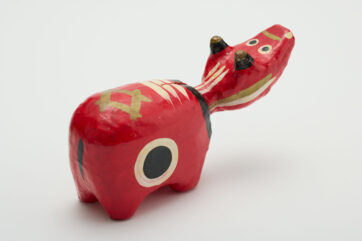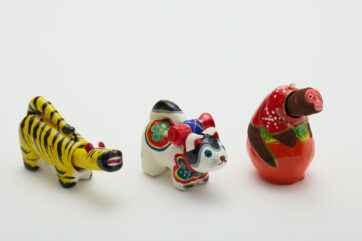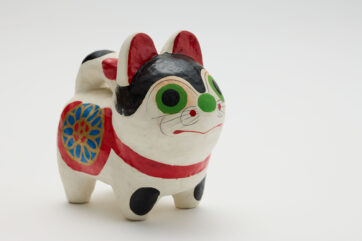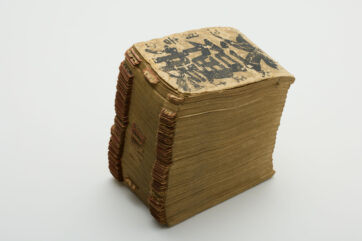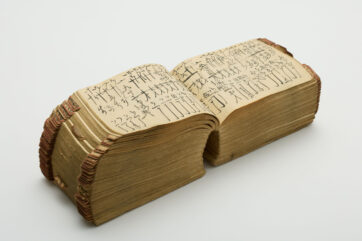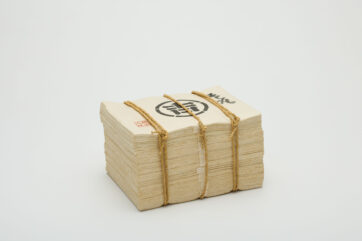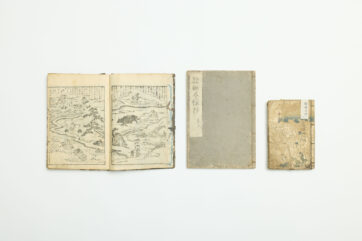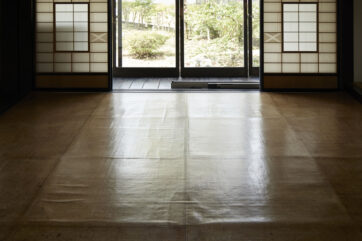


薄い、軽い、強い、しなやか、折れる、透ける、そして長寿。和紙は、繊維同士の無数の結合によって、相反する特性をあわせ持ちます。そのおかげで、さまざまな加工を受け入れる寛容さがあり、私たちの生活文化と交わりながら多様に変容し、きわめて幅広い用途に展開してきました。
庶民の生活に和紙がそのように浸透したのは江戸時代(18〜19世紀)で、現在ではその多くが他の素材に取って代わられていますが、ここに集められた生活用品を一望すると、和紙の汎用性をあらためて見直さずにいられません。Thin, light, strong, supple, foldable, transparent and long-lasting. Washi possesses contradictory characteristics through countless bonds between fibers. Thanks to this, Washi has the flexibility to accommodate various kinds of processing and has expanded into an extremely wide range of applications by transforming itself in diverse forms while interacting with everyday life and culture.
It was during the Edo period (18th to 19th centuries) that Washi became so widespread in the lives of common people, and nowadays much of it has been replaced by other materials. But when you look at the daily necessities collected here, you cannot help but reconsider the versatility of Washi.